 Ana Martinez
 Finding the Best HVAC Company Orlando, FL for Timely Replacement and Optimal Performance
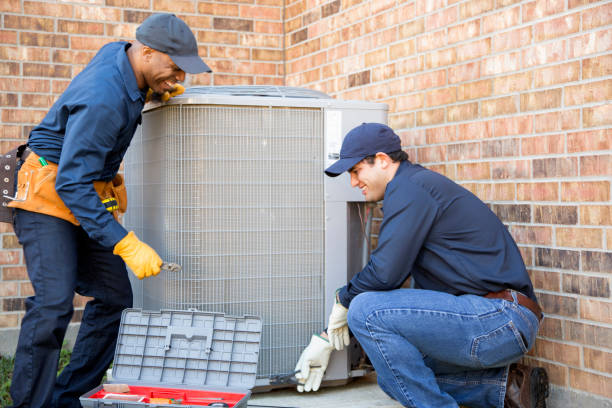
Many homeowners tend to delay HVAC replacement, often leading to higher energy costs, frequent breakdowns, and compromised air quality. Below are key reasons why timely replacement is essential.
Enhanced Energy Efficiency
Older HVAC systems often struggle to perform efficiently as they age. Over time, components wear down and can no longer meet the demands of modern energy standards.
- Lower utility bills: Modern systems consume less energy while providing superior heating and cooling.
- Improved environmental impact: Newer units are greener and designed to reduce carbon emissions.
- Compatibility with smart technology: Many modern systems integrate seamlessly with smart thermostats for optimized performance.
Improved Indoor Air Quality
Aging HVAC systems can circulate dust, allergens, and other pollutants throughout your home. This can lead to respiratory problems or worsen conditions like asthma or allergies. Some advanced models also come equipped with air purification features.
Reduced Repair Costs
One of the clearest indicators that it’s time to replace your system is escalating repair expenses. Frequent repairs for an aging unit can quickly add up, making replacement a more cost-effective solution in the long run.
| Cost Factor | Frequent Repairs | Replacement System |
| Average Annual Cost | $500-$1,000+ | $5,000-$10,000 (one-time) |
| Lifespan Extension | 1-2 years | 10-15 years |
| Energy Savings | Minimal | Significant |
Consistent Comfort in All Seasons
An old or failing HVAC system may struggle to maintain consistent temperatures throughout your home. This could result in hot or cold spots that disrupt comfort levels during extreme weather conditions. A timely replacement restores uniform heating and cooling performance across all rooms.
Avoiding Emergency Breakdowns
HVAC systems often fail when they’re needed most—during peak summer heat or winter cold spells—leading to expensive emergency repairs and uncomfortable living conditions. Proactively replacing an aging system reduces the risk of unexpected breakdowns at critical times.
When to Consider Orlando AC Repair or Replacement
- Age of Your System: Most units last between 10-15 years; anything beyond this signals declining efficiency.
- Increasing Energy Bills: Rising utility costs without increased usage suggest reduced efficiency.
- Uneven Heating or Cooling: Inconsistent temperature control points to a struggling system.
- Frequent Repairs Needed: Constant repair bills indicate that the unit is nearing its end.
- Excessive Noise or Odors: Strange sounds or persistent smells are signs of significant mechanical issues.
Taking proactive action protects your investment while keeping your home comfortable year-round.
What to Expect from an Orlando AC Service Professional
Hiring a professional HVAC contractor from https://www.orlandoacservice.org/ ensures that your heating, ventilation, and air conditioning systems are properly installed, maintained, or repaired. Understanding what to expect during the process helps make the experience smoother and more efficient. Below is an overview of what you can anticipate when working with a qualified HVAC contractor.
Expert Initial Consultation for Orlando FL Air Conditioning Repair
- Detailed Inspection:
A professional contractor will start by conducting a thorough inspection of your current HVAC system. - The age and condition of the equipment
- Efficiency levels
- Any visible wear or damage
- The size and layout of your property to determine system requirements
- Open Communication:
During this phase, contractors typically ask about: - Your heating and cooling needs
- Past issues you’ve experienced with your system
- Your budget and energy-saving goals
This initial conversation sets the stage for tailored recommendations specific to your situation.
Transparent Estimates and Recommendations
Professional contractors will provide a detailed quote that breaks down costs for labor, parts, installation, or repairs.
| Category | Details Provided |
| Labor Costs | Hourly rates or flat fees |
| Equipment Costs | List of recommended units/models |
| Warranty Information | Coverage details for parts/services |
They will also explain why specific replacements or upgrades are necessary while discussing optional features like smart thermostats or air purifiers.
Licensed Expertise in Action
A professional HVAC contractor brings specialized knowledge to every step of the process: – Ensures compliance with local safety codes and regulations. – Performs installations using proper techniques to maximize efficiency. – Handles refrigerants safely if dealing with air conditioners.
This expertise helps ensure both safety and performance in your system.
Efficient Installation or Repairs
When it’s time for service, here’s what you can expect: – Timely arrival at agreed-upon schedules. – Use of advanced tools and equipment for precision work. – Minimal disruption to your home during repairs/installations. – Cleanup after work is completed so no debris is left behind.
Professional contractors prioritize efficiency while maintaining high-quality standards throughout their work process.
Post-Service Support
After completing the job: – Contractors may walk you through how to operate new systems or upgraded components effectively. – Many offer maintenance plans tailored to keep systems running efficiently year-round. – You’ll receive all necessary documentation such as receipts, warranties, or service agreements for future reference.
Additionally, reliable contractors stand behind their services by offering follow-up support in case any issues arise after installation or repair work has been performed.
Benefits of Choosing Professional Services

Working with a trusted HVAC contractor offers several advantages: – Peace of mind knowing systems are installed correctly. – Improved energy efficiency leading to lower utility bills. – Enhanced indoor comfort throughout all seasons. – Access to ongoing maintenance programs that extend equipment lifespan.
By partnering with skilled professionals who prioritize quality workmanship and customer satisfaction, homeowners can enjoy reliable heating and cooling solutions tailored specifically to their property’s unique requirements.
Discover the Key Differences That Set Exceptional HVAC Contractors Apart
When it comes to selecting an HVAC contractor for your home or business, understanding what distinguishes exceptional contractors from average ones can make all the difference. An efficient, knowledgeable, and professional HVAC contractor ensures your heating and cooling systems operate at peak performance while saving you time and money. Below are several key factors that set exceptional HVAC contractors apart.
Exceptional HVAC contractors are fully licensed, bonded, and insured.
– NATE (North American Technician Excellence)certification: Demonstrates a high level of technical expertise in HVAC services.
– EPA Section 608 Certification: Ensures proper handling of refrigerants without harming the environment.
Seek out contractors who actively pursue ongoing professional training to stay updated on advancements in technology and best practices.
A reliable contractor provides clear and upfront pricing before any work begins:
– Detailed written estimates listing labor, materials, and other associated costs.
– No hidden fees or unexpected charges post-service.
This transparency builds trust with clients and ensures there are no surprises.
Top-tier contractors offer a wide range of services to cater to all your needs, including:
– Installation of new HVAC systems tailored to the size and layout of your property.
– Routine maintenance plans designed to improve system efficiency and longevity. – Repairs using high-quality replacement parts for long-term results. – Energy audits to assess inefficiencies in your current systems.
Contractors who provide diverse offerings demonstrate their versatility and commitment to addressing various client concerns with expertise.
Exceptional contractors leverage modern tools and technologies for greater accuracy in diagnostics and service delivery: | Tool/Technology | Purpose | Benefits | |————————–|———————————————–|——————————————-| | Digital Thermometers | Measure temperature fluctuations | Ensures precision during diagnostics | | Airflow Measurement Tools| Evaluate air distribution within ducts | Optimizes airflow throughout the property | | Smart Thermostat Setup | Installation of energy-saving thermostats | Enhances system efficiency |
They also stay informed about energy-efficient solutions like geothermal heating or ductless mini-splits.
Top-performing contractors emphasize customer satisfaction by offering:
– Responsive communication channels (phone/email/live chat).
– Flexible scheduling options tailored to client availability. – Courteous staff trained to answer questions patiently while providing expert recommendations.
Positive reviews on platforms such as Google or Yelp often reflect the dedication these companies have toward creating an excellent customer experience.
Reliable contractors understand that heating or cooling issues rarely arise at convenient times; therefore, they offer emergency services available around-the-clock to restore comfort promptly without delay.
Final Thought
Choosing an exceptional HVAC contractor ensures not only high-quality installations or repairs but also peace of mind knowing that you’ve partnered with a reliable expert who prioritizes efficiency, safety, and customer satisfaction over cutting corners or maximizing profit margins unnecessarily. Look for these distinguishing qualities next time you’re searching for the right team to handle your needs efficiently.
24/7 Online Scheduling for Hassle-Free HVAC Services Anytime
The convenience of 24/7 online scheduling has transformed the way customers engage with HVAC contractors. It ensures that homeowners and businesses can request services at their convenience, removing the need to align their schedules with traditional working hours. Here’s how this modern approach enhances the customer experience and improves overall service delivery.
Benefits of 24/7 Online Scheduling
- Clients can book appointments at any time, whether it’s late at night or early in the morning.
- This flexibility is especially beneficial during emergencies or when typical business hours are inconvenient.
- Many HVAC companies integrate online scheduling with automated workflows, allowing them to address urgent requests more quickly.
- Customers receive immediate confirmation of appointments, reducing delays in communication.
- Intuitive platforms allow clients to easily select available dates and times that work for them.
- Some systems even provide options to specify service needs, such as repairs, installations, or maintenance.
- Contractors benefit from fewer phone inquiries and manual appointment bookings, freeing up resources for on-site tasks.
- An organized scheduling system minimizes errors that could arise from manual handling.
Key Features of Advanced Online Scheduling Systems
| Feature | Description | Customer Benefit |
| 24/7 Availability | Open access for booking anytime | Convenience and accessibility |
| Appointment Reminders | Automated notifications via email/SMS | Helps clients stay on track |
| Emergency Service Requests | Priority flags for urgent repairs | Faster resolution of critical issues |
| Customizable Booking Options | Specify service type/location preferences | Tailored experiences |
How Homeowners Can Make the Most of Online Scheduling
- Provide Accurate Details: When submitting a request, ensure all relevant information (e. g. , symptoms of HVAC issues or unit specifications) is included to help technicians prepare adequately.
- Use Emergency Options Wisely: Reserve emergency scheduling for situations like total system failure or safety concerns to allow fair access for all customers.
- Check Reviews on Scheduling Platforms: Look for feedback about ease of use and responsiveness to ensure the contractor’s system meets modern standards.
Why 24/7 Access Matters in Today’s World
In today’s fast-paced environment, homeowners and business operators demand convenience without compromising quality. Being able to schedule HVAC services outside typical business hours demonstrates a contractor’s commitment to meeting customers’ evolving needs. It also reflects professionalism by showing respect for clients’ time constraints.
Whether dealing with routine maintenance or unexpected breakdowns, this hassle-free approach empowers customers while streamlining operations within HVAC businesses—making it a win-win solution across the board.
An HVAC system is an essential component of any home or business, ensuring comfortable temperatures and clean air circulation. However, like any mechanical equipment, it has a limited lifespan.
– Repair costs exceeding 50% of the price of a new unit: When repair expenses become significant, a new system might offer better long-term value.
– Repeated failures: Breakdowns occurring within short intervals could indicate that critical components are wearing out.
Older systems often consume significantly more energy than newer models with advanced efficiency features.
– Higher utility bills: A noticeable spike in heating or cooling costs could mean your unit is struggling to perform efficiently.
– Inconsistent performance: Difficulty maintaining consistent indoor temperatures often points to declining efficiency.
If your unit is approaching or exceeding this range, replacement may be imminent.
| Age of System | Recommendation |
| Less than 10 years | Repair if issues are minor |
| 10–15 years | Evaluate repair vs replacement |
| Over 15 years | Replacement strongly recommended |
Grinding or squealing noises: These could indicate failing mechanical parts such as motors or belts.
Burning smells: An electrical issue might be present and could pose safety risks.
Musty odors: This may signal mold growth within the ductwork or unit.
If you notice more dust accumulation, reduced airflow, or increased allergy symptoms indoors, your aging HVAC system might be failing to filter and circulate air effectively.
When to Contact a Professional
If you recognize any of the above signs in your current HVAC system, consulting with a professional contractor can help determine whether replacement is the best course of action. Expertise from a licensed technician ensures that assessments are accurate and tailored to your specific needs.
Proactively addressing these issues helps maintain comfort and safety while minimizing costly disruptions caused by unexpected failures.
- Finding the Best HVAC Company Orlando, FL for Timely Replacement and Optimal Performance
- Tips for Recognizing if a Dirty Filter is Impacting Your Orlando AC Service
- Discover the Top Benefits of Hiring an HVAC Company Orlando, FL for Replacement Services
- Discover the Financial Benefits of Upgrading to a Smart Orlando AC Service System
- Exploring the Future of HVAC Company Orlando, FL: Trends and Innovations in AC Technology
- Top Signs You Need Orlando AC Repair or a Complete Replacement
- Addressing Common Orlando AC Repair Issues and How to Solve Them
- Identifying When to Call an HVAC Company Orlando, FL for Air Conditioning Replacement
Tips for Recognizing if a Dirty Filter is Impacting Your Orlando AC Service

A dirty air filter can significantly impact the performance of your central air system, leading to reduced efficiency, higher energy bills, and potential damage to your HVAC unit. Identifying whether a clogged filter is the culprit behind your system’s poor performance can save you time and money. Below are some key signs that indicate a dirty air filter might be causing issues.
Signs of a Dirty Air Filter
- If you notice weak airflow coming from vents, it could mean the filter is clogged with dust and debris. This obstructs the passage of air through the system.
- Excessive dust build-up near vents or registers can signify that your filter isn’t trapping debris effectively anymore.
- A clogged air filter forces your HVAC system to turn on and off more frequently (short cycling), putting extra strain on the equipment.
- Whistling sounds, buzzing noises, or musty odors emanating from your HVAC unit could be due to dirt build-up within a neglected filter.
Steps to Check and Replace an Air Filter
| Step | Action | Explanation |
| 1 | Turn Off Power | Always switch off the HVAC unit before inspecting or replacing filters for safety purposes. |
| 2 | Locate The Filter | The air filter is typically found near the return vent or inside the furnace/air handler compartment. |
| 3 | Check Its Condition | Remove the filter and hold it up against light—if light cannot pass through it, it’s time for a replacement. |
| 4 | Replace With Proper Size & Type | Use manufacturer-recommended specifications for size and MERV rating when purchasing replacement filters. |
| 5 | Install Correctly | Follow any directional arrows printed on the new filter for proper placement. |
Benefits of Regular Filter Maintenance
- Improved Efficiency: Clean filters allow optimal airflow, reducing strain on your central air system.
- Extended Equipment Lifespan: Reduced wear and tear on components increases longevity.
- Better Indoor Air Quality: Filters trap allergens like pollen and pet dander, contributing to healthier indoor environments.
- Lower Repair Costs: Addressing minor issues proactively prevents major mechanical failures later.
Regular inspection of air filters (at least every 1–3 months) ensures smooth operation of your central air system while minimizing overall operating costs. If you’re unsure about replacing filters yourself or suspect further issues with your HVAC unit despite changing them, consulting with an experienced contractor is highly recommended.
How to Recognize the Need for HVAC Replacement and Find a Trusted HVAC Company Orlando, FL
A functioning HVAC system is essential for maintaining the comfort of your home, especially during temperature extremes. However, like any other mechanical system, HVAC units have a finite lifespan. Knowing when to replace your system rather than repair it can save you money and frustration. Here are some key signs that indicate you might need an HVAC replacement and how an expert contractor can assist you through the process.
Signs You Need to Replace Your HVAC System
- Most HVAC systems last between 10 to 15 years with proper maintenance. If your unit is approaching or has exceeded this age range, it may be time to consider a replacement.
- If you’re scheduling frequent repairs and noticing escalating repair costs, it may no longer be cost-effective to maintain your current system.
- Aging systems often lose efficiency, leading to higher energy consumption and utility bills despite consistent use.
- A failing system may struggle to maintain consistent temperatures across your home, leaving certain rooms too hot or too cold.
- Banging, rattling, or squealing sounds could indicate major internal issues that warrant a complete replacement rather than a repair.
- Dust buildup, excess humidity, or unpleasant odors might signal that your current system can’t adequately filter air or manage moisture levels.
How an Expert Contractor Can Help
Hiring a professional HVAC contractor is critical during the replacement process to ensure proper installation and long-term efficiency for your new system.
- System Assessment: A contractor will perform a detailed inspection of your current system and evaluate its performance compared to modern options available on the market.
- Energy Efficiency Recommendations: Professionals can help you choose energy-efficient models with high SEER (Seasonal Energy Efficiency Ratio) ratings tailored for your home’s needs.
- Load Calculation for Sizing: An expert will conduct Manual J load calculations to determine the appropriate size of the replacement unit so it isn’t underpowered or oversized.
- Compliance with Local Codes: Licensed contractors ensure that installations comply with local building codes and regulations.
- Warranty Coverage Guidance: Contractors often provide insights into warranty options available with new systems while ensuring installation meets warranty requirements.
Comparing DIY vs Professional Installation
| Aspect | DIY Installation Risks | Professional Contractor Benefits |
| Knowledge & Experience | Limited expertise | Extensive technical knowledge |
| Installation Accuracy | Potential errors | Precision installation |
| Time Required | Longer duration | Faster completion |
| Warranty Implications | Risk of voiding warranties | Warranty compliance ensured |
By recognizing signs of an aging or inefficient HVAC unit and consulting with a qualified contractor for replacement services, homeowners can enjoy better comfort, lower energy costs, and peace of mind knowing their new system is installed correctly for optimal performance over its lifespan.
Ensuring Efficient Orlando AC Repair and Air Conditioning System Replacement
Replacing an air conditioning (AC) system is a significant investment that requires careful planning and execution. An HVAC contractor plays a crucial role in ensuring the replacement process is carried out efficiently, minimizing disruptions to your home or business while maximizing system performance and longevity. Below, we explore how a professional contractor contributes to this process.
Assessing Your Specific Needs
Before replacing an AC system, a qualified HVAC contractor will conduct a thorough evaluation of your property.
- Calculating Load Requirements: Ensuring the new system is appropriately sized for your space by performing load calculations based on factors like square footage, insulation quality, number of occupants, and climate zone.
- Inspecting Existing Ductwork: Checking whether your ductwork is compatible with the new system or if upgrades are needed to improve efficiency.
- Identifying Energy-Efficient Options: Recommending systems with higher Seasonal Energy Efficiency Ratio (SEER) ratings to reduce energy consumption and lower utility bills.
By tailoring their recommendations to your unique circumstances, an HVAC contractor ensures you invest in the right equipment for optimal comfort and performance.
Facilitating Proper Installation
The installation process is critical to the performance and lifespan of your AC unit.
- Removing the Old Unit Safely: Disposing of refrigerants responsibly while adhering to environmental regulations.
- Ensuring Accurate Placement: Installing the new unit in the ideal location to optimize airflow and minimize strain on the system.
- Testing System Performance: Running diagnostic tests post-installation to confirm that all components are functioning correctly.
This meticulous approach minimizes potential issues like refrigerant leaks or airflow imbalances that could arise from improper installation.
Providing Expertise on Modern Technology

Many modern air conditioning systems come with advanced features such as smart thermostats, variable-speed compressors, and zoning capabilities.
- Explaining how they work and offering training on how to use them effectively.
- Integrating smart systems into existing home automation setups.
- Troubleshooting compatibility issues during installation.
This expertise ensures homeowners fully benefit from technological advancements in heating and cooling systems.
Long-Term Maintenance Planning
An important aspect of efficient AC replacement lies in maintaining its efficiency over time.
- Prolong the life of your equipment.
- Maintain peak energy efficiency.
- Prevent costly breakdowns before they occur.
Contractors may also provide guidance on simple tasks homeowners can perform themselves, such as changing filters regularly or clearing debris around outdoor units.
| Task | Frequency |
| Replace air filters | Every 1–3 months |
| Clear outdoor debris | Monthly |
| Schedule maintenance | Annually |
By partnering with a trusted HVAC expert for ongoing care, you can avoid unnecessary expenses while ensuring consistent year-round comfort.
Compliance With Local Codes & Permits
Licensed contractors are knowledgeable about local building codes and permitting requirements related to AC installations. They handle permits on behalf of clients while ensuring compliance with regulations regarding refrigerants, electrical connections, ventilation standards, etc.
This service not only saves time but also provides peace of mind knowing that your replacement project meets legal standards for safety and environmental responsibility.
Hiring a skilled HVAC contractor is essential when replacing an air conditioning system efficiently and effectively. From assessing your needs to ensuring proper installation and long-term performance, their expertise ensures homeowners make informed decisions while enhancing overall comfort levels within their space.
Why Orlando FL Air Conditioning Repair Should Be Handled by Licensed HVAC Professionals
A licensed HVAC contractor brings expertise and professionalism that can save you time, money, and hassle in the long run.
Licensed HVAC contractors are well-versed in local building codes and regulations. Whether it’s proper ductwork installation or ensuring the system meets energy efficiency standards, they have the knowledge required to keep your installation compliant.
Failing to adhere to local codes can lead to:
– Fines or penalties from municipal authorities
– Issues with home resale value due to non-compliance
– Potential safety risks
Hiring a licensed professional ensures everything is done correctly the first time.
Complex installations often require precise calculations, technical knowledge, and attention to detail.
– The system will be properly sized for your home’s heating and cooling needs (avoiding oversized or undersized units).
– Components like ductwork, thermostats, or refrigerant lines will be installed accurately. – Advanced technologies such as smart thermostats or energy-efficient systems will be integrated seamlessly into your home.
Professional contractors come equipped with specialized tools that ensure installations are performed efficiently and safely. DIY enthusiasts or unlicensed technicians may lack access to these resources, which can lead to subpar results or damaged components.
| Tool/Equipment | Purpose | Benefit |
| Manifold gauges | Measures refrigerant pressure | Optimizes system performance |
| Duct leakage tester | Identifies air leaks in duct systems | Improves energy efficiency |
| Combustion analyzers | Tests combustion appliances like furnaces | Ensures safe operating conditions |
Access to such equipment allows professionals to deliver high-quality results.
If an unqualified person installs the equipment improperly, you could void your warranty coverage—leaving you responsible for costly repairs down the road.
– The system is installed according to manufacturer specifications.
Improper handling of electrical wiring, refrigerants, or gas lines can pose serious safety risks during an installation project.
– Electrical shocks
– Gas leaks
– Refrigerant exposure
Their training equips them with skills necessary for safe installations while protecting both your family and property.
Always verify credentials before moving forward with any project involving significant investments in your home’s comfort system.
Whether you’re installing a new system or upgrading an existing one, these projects often involve intricate components and precise calculations that require professional expertise.
Expertise and Training
Licensed HVAC contractors are required to undergo rigorous training and certification processes.
- Design systems tailored to maximize energy efficiency.
- Handle complex installation challenges, including ductwork design, zoning systems, and advanced technology integration.
By hiring someone with proper credentials, you’re ensuring that your system will be installed correctly and function efficiently from the start.
HVAC installations must meet specific building codes and safety regulations.
- Have in-depth knowledge of local, state, and federal requirements.
- Ensure permits are secured before starting the project.
- Perform work that adheres to legal guidelines.
This not only protects your investment but also minimizes liabilities in case of inspections or future property sales.
Access to Advanced Tools and Technologies
Complex installations often require specialized tools and equipment for precision work.
- Diagnostic tools for accurate system sizing (Manual J load calculations).
- Equipment necessary for proper refrigerant handling.
- High-tech devices for smart thermostat integration or zoned control systems.
These tools enable contractors to perform their work more efficiently while ensuring optimal performance from your HVAC system.
Warranty Protection
Most modern HVAC systems come with manufacturer warranties; however, these warranties may be voided if installation is not performed by a licensed professional.
- Your warranty remains valid.
- The contractor may also provide additional labor guarantees beyond the manufacturer’s coverage.
This ensures peace of mind and long-term protection for your system investment.
Safety Considerations
Improper installation can lead to serious safety issues such as electrical hazards or carbon monoxide leaks in gas-powered systems.
- Following best practices for wiring connections or gas line setups.
- Testing equipment post-installation to prevent potential risks.
With their expertise, you avoid unnecessary dangers associated with poorly executed installations.
Cost Efficiency Over Time
| Issue | Impact | Licensed Contractor Advantage |
| Improper System Sizing | Higher utility costs due to inefficiency | Accurate load calculation ensures optimal sizing |
| Faulty Ductwork Design | Uneven airflow causing discomfort | Proper ductwork layout for consistent temperature distribution |
| Incorrect Refrigerant Use | Reduced efficiency or compressor damage | Correct refrigerant handling protects system lifespan |
By addressing potential issues upfront with professional help, you avoid expensive repairs later on while benefiting from lower operating costs.
Professional Advice Tailored to Your Needs
- Home size
- Budget
- Desired features (e. g.
Their guidance helps ensure you make informed decisions aligned with both short-term comfort needs and long-term sustainability goals.
With their specialized knowledge and experience, they play an essential role in managing even the most complex heating and cooling projects successfully.
- Finding the Best HVAC Company Orlando, FL for Timely Replacement and Optimal Performance
- Tips for Recognizing if a Dirty Filter is Impacting Your Orlando AC Service
- Discover the Top Benefits of Hiring an HVAC Company Orlando, FL for Replacement Services
- Discover the Financial Benefits of Upgrading to a Smart Orlando AC Service System
- Exploring the Future of HVAC Company Orlando, FL: Trends and Innovations in AC Technology
- Top Signs You Need Orlando AC Repair or a Complete Replacement
- Addressing Common Orlando AC Repair Issues and How to Solve Them
- Identifying When to Call an HVAC Company Orlando, FL for Air Conditioning Replacement
Discover the Top Benefits of Hiring an HVAC Company Orlando, FL for Replacement Services
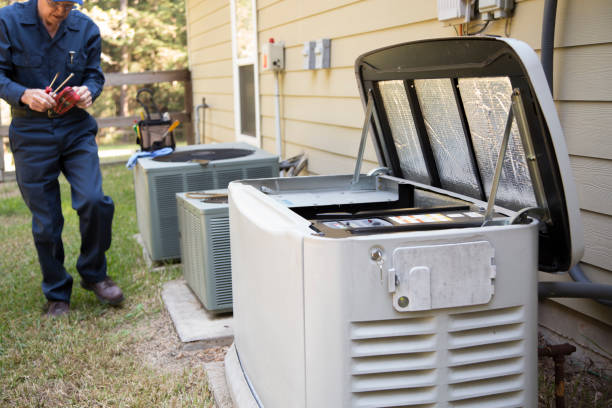
Improved Energy Efficiency
A professionally installed new HVAC system can enhance your home’s energy efficiency by incorporating modern technology and improved designs. Here’s how:
– Higher SEER Ratings: Newer systems often come with a higher Seasonal Energy Efficiency Ratio (SEER), consuming less energy while delivering better cooling or heating.
– Advanced Features: Features like variable-speed compressors or smart thermostats allow more precise control over indoor temperatures, reducing unnecessary energy use.
– Sealed Ductwork: Professionals ensure that ductwork is properly sealed to prevent air leaks, which can lead to significant energy savings.
Enhanced Indoor Air Quality
Professional HVAC replacement services also contribute to better indoor air quality by:
– Installing systems equipped with advanced filtration technologies.
– Reducing dust, allergens, and pollutants circulating in your home.
– Ensuring proper ventilation, which helps regulate humidity levels and prevents mold growth.
Long-Term Cost Savings
Although replacing an HVAC system involves an upfront investment, it leads to long-term cost savings in several ways:
– Reduced utility bills due to improved efficiency.
– Lower maintenance costs because newer systems require fewer repairs compared to older units.
| Cost Component | Old System | New Professional Installation |
| Monthly Utility Costs | High | Low |
| Repair Frequency | Frequent | Minimal |
| Overall Efficiency Rating | Low | High |
Increased Comfort and Reliability
An outdated or poorly functioning HVAC system often struggles to maintain a consistent temperature throughout your home. Professional replacements resolve these issues by ensuring:
– Properly sized units tailored for your home’s heating and cooling needs.
– Uniform temperature distribution across rooms. – Elimination of frequent breakdowns during extreme weather conditions.
Warranty Protection
Most manufacturers offer warranties on new systems only when they are installed by certified professionals. These warranties can cover repairs or replacements for a specific period, giving you peace of mind.
Top Reasons to Choose Certified Technicians for Orlando AC Repair
When replacing an HVAC system, choosing licensed professionals has its own advantages:
1. Expertise & Training: Certified contractors have extensive knowledge about different system models and installation techniques.
2. Safety Assurance: They follow local codes and safety regulations during the process.
3. Efficient Project Completion: With access to advanced tools and equipment, experts complete installations quickly without compromising quality.
Replacing an HVAC system is a significant decision that influences not just comfort but also energy usage and maintenance expenses over time. A professional contractor ensures that every aspect of the project is handled correctly while keeping your long-term needs in mind.
Recognizing the Signs You Need Orlando FL Air Conditioning Repair
Frequent Repairs
- If you find yourself scheduling constant repairs, the cost can quickly add up. Compare repair costs against the price of a new unit:
| Repair Costs | Recommended Action |
|———————-|————————————|
| Less than 50% of replacement cost | Repair may still be viable |
| More than 50% of replacement cost | Consider replacing the unit instead |
Rising Energy Bills
Older systems often lose efficiency over time, leading to increased energy consumption. If your electricity bills are climbing despite regular maintenance and consistent usage habits, it might indicate that your system is working harder than it should. Newer HVAC systems with higher SEER (Seasonal Energy Efficiency Ratio) ratings can significantly lower operating costs.
Uneven Cooling or Inconsistent Temperatures
Do you notice certain rooms being hotter or colder than others? This could mean that:
– Your system is too old to keep up with demand.
– There’s a loss of capacity due to wear and tear.
An upgraded air conditioner can provide consistent cooling throughout your home.
Age of Your Air Conditioner
Most modern air conditioners have a lifespan of about 10-15 years when well-maintained. If yours is older, consider replacing it rather than investing in expensive repairs for an outdated unit.
Strange Noises or Odors
- Grinding noises or banging sounds suggest mechanical failure, while musty odors may point to mold growth inside your HVAC system. Both issues warrant immediate attention and could indicate the need for replacement.
Poor Indoor Air Quality (IAQ)
Failing systems often struggle to filter out allergens and pollutants effectively. If residents experience worsening allergies or respiratory issues while indoors, upgrading to a newer model with advanced filtration features can improve IAQ significantly.
Benefits of Timely Air Conditioner Replacement
Identifying these signs early and opting for replacement can provide several advantages:
1. Improved Energy Efficiency – Modern units use advanced technology designed to minimize power consumption while maximizing performance.
2. Enhanced Comfort – A new air conditioner ensures consistent temperatures and improved humidity control.
3. Reduced Maintenance Costs – With fewer breakdowns and better reliability, newer models typically require less frequent servicing.
4. Environmental Impact – Systems using eco-friendly refrigerants like R410A comply with environmental regulations while reducing emissions.
Regularly inspecting your HVAC system and recognizing these warning signals can prevent costly breakdowns while ensuring long-term comfort in your home or office environment.
What Does Comprehensive HVAC Replacement Include?
When it’s time to replace your HVAC system, understanding what a comprehensive replacement entails can help ensure you get the best value and performance for your investment. A professional HVAC replacement service is more than just swapping out old equipment—it involves a thorough process designed to optimize your home’s comfort, energy efficiency, and overall air quality.
Key Components of a Comprehensive HVAC Replacement
- A licensed HVAC contractor will start by assessing your home’s heating and cooling needs.
- This includes evaluating factors such as square footage, insulation quality, window types, and local climate conditions.
- Contractors will perform Manual J calculations to determine the appropriate size and capacity of the new system.
- The existing HVAC system is carefully dismantled and removed without causing damage to surrounding structures or ductwork.
- Proper disposal or recycling of old units ensures compliance with environmental regulations.
- Your ductwork is inspected for leaks, blockages, or damage that could hinder airflow or efficiency in the new system.
- Necessary repairs or replacements are completed to ensure optimal performance.
- Based on the assessment results, contractors recommend an HVAC unit that matches your home’s heating and cooling demands while offering energy-efficient features.
- Options may include central air systems, heat pumps, mini-split systems, or high-efficiency furnaces tailored to your needs.
- The new equipment is installed following manufacturer guidelines and local code requirements.
- Installation typically includes the furnace/air handler, condenser unit, thermostat upgrades if necessary, refrigerant lines (if applicable), and electrical connections.
- Technicians test the new system to confirm it operates efficiently across all settings.
- This includes checking airflow rates, refrigerant levels (if applicable), thermostat calibration, and temperature distribution throughout the home.
- A reputable contractor ensures that all debris from the installation process is removed from your property.
- They may also walk you through operating instructions for your new system.
Additional Services Offered During an HVAC Replacement

- Air Filtration Systems Improve indoor air quality with advanced filters or air purifiers integrated into your setup.
- Smart Thermostats Enhance energy efficiency with programmable thermostats that allow remote control via smartphone apps.
- Zoning Systems Divide your home into zones with independent temperature controls for greater comfort customization.
Why Comprehensive Service Matters
Opting for comprehensive replacement services ensures long-term value by addressing every aspect of your home’s heating and cooling infrastructure. This approach not only enhances comfort but also reduces energy bills while prolonging system lifespan through optimized installation practices tailored specifically to your home’s requirements.
By focusing on every detail—from initial assessments to final cleanup—comprehensive services provide peace of mind that all aspects have been considered for maximum efficiency and reliability in years ahead.
Exploring Essential HVAC Services Every Homeowner Should Know About
HVAC services are critical for maintaining a comfortable, safe, and energy-efficient home. As a homeowner, understanding the range of essential HVAC services can help you keep your system running efficiently while avoiding costly repairs or replacements. Below is an overview of key HVAC services every homeowner should be aware of.
Routine Maintenance Services
- Filter Replacement: Dirty filters can restrict airflow and reduce efficiency. Replacing filters every 1-3 months ensures optimal performance.
- System Inspection: A professional technician inspects components like the coils, thermostat, ductwork, and electrical connections.
- Cleaning Components: Dust and debris can build up inside your system over time. Cleaning evaporator coils, condenser coils, and blower fans improves efficiency.
- Lubricating Parts: Moving parts like motors and fans need lubrication to minimize wear and tear.
Routine maintenance not only enhances system efficiency but also extends its lifespan.
Repairs for Malfunctioning Systems
- Fixing refrigerant leaks
- Replacing worn-out belts or motors
- Repairing electrical connections or faulty wiring
- Resolving thermostat malfunctions
Prompt repairs can prevent small issues from escalating into major problems that require full system replacement.
Air Duct Cleaning Services
- Reduced allergens in the home
- Improved airflow throughout the system
- Enhanced energy efficiency
System Upgrades & Replacement
| Issue | Indication You Need an Upgrade |
| Rising Energy Bills | Indicates a loss in system efficiency |
| Uneven Heating or Cooling | Points to poor performance |
| Frequent Repairs | Suggests aging components |
Modern HVAC systems offer advanced features like programmable thermostats, energy-efficient compressors, and zoning capabilities to enhance comfort while lowering utility costs.
Emergency HVAC Services
Unexpected breakdowns during extreme weather conditions may require emergency repairs outside normal business hours. Many professional contractors offer 24/7 emergency services to restore comfort quickly when you need it most.
Indoor Air Quality Solutions
- Installation of air purifiers or humidifiers
- Adding UV germicidal lights to kill bacteria
- Sealing leaky ductwork to reduce pollutants
These solutions create a healthier environment for families by addressing airborne irritants and humidity levels.
By being informed about these essential HVAC services—routine maintenance, timely repairs, air duct cleaning, system upgrades/replacement options, emergency assistance, and IAQ enhancements—homeowners can maximize their investment in their heating and cooling systems while ensuring year-round comfort in their living spaces.
How to Choose the Right HVAC Contractor for Your Home’s Needs
Selecting the right HVAC contractor is a critical decision that can impact your home’s comfort, energy efficiency, and long-term equipment performance. With so many options available, it’s essential to evaluate contractors thoughtfully. The following sections outline key factors and strategies to ensure you hire a professional who meets your needs.
Evaluate Credentials and Licensing
A reputable HVAC contractor should have the appropriate licenses and certifications required by state or local authorities. When researching contractors:
– Verify licensing: Confirm that they hold an active HVAC license in your area.
– Check certifications: Look for certifications from recognized organizations such as NATE (North American Technician Excellence) or EPA (Environmental Protection Agency) for handling refrigerants.
– Confirm insurance coverage: Ensure they carry liability insurance and workers’ compensation to protect you in case of accidents during installation or repairs.
These credentials demonstrate their expertise, safety standards compliance, and ability to perform work professionally.
Assess Experience and Specializations
Experience matters when it comes to HVAC systems. Consider contractors with a proven track record of working on similar systems to yours. Questions to ask include: – How many years have you been in business?
– Do you specialize in residential systems, commercial systems, or both?
– Are you experienced with specific brands or technologies (e.g., ductless mini-splits, smart thermostats)?
The more experience a contractor has with your type of system, the better equipped they’ll be to handle challenges efficiently.
Read Reviews and Seek References
Online reviews and customer testimonials can offer valuable insights into a contractor’s quality of work. Steps for vetting include: 1. Check platforms like Google Reviews, Yelp, or Better Business Bureau (BBB).
2. Look for patterns—consistent positive feedback usually indicates reliability. 3. Request references directly from the contractor: Contact past clients for firsthand accounts of their satisfaction with services provided.
Compare Estimates
Before committing to a contractor, obtain written estimates from at least three companies. When comparing quotes:
– Ensure they provide itemized breakdowns of labor costs, materials, equipment pricing, etc. – Avoid choosing solely based on the lowest price; quality workmanship may come at a slightly higher cost but ensures better long-term results. – Question any unusually low bids—this could indicate subpar materials or inexperienced technicians.
Communication Matters
Effective communication is critical when working with an HVAC contractor. During initial consultations:
– Observe how clearly they answer your questions about system options or potential upgrades. – Evaluate professionalism—punctuality, organization skills during assessments are strong indicators. – Ask about timelines for project completion as well as follow-up support after installation.
A professional who prioritizes clear communication will likely ensure that every stage of your project runs smoothly.
| Key Criteria | Importance |
| Licensing & Certifications | Guarantees compliance with regulations |
| Experience & Specialization | Ensures expertise in handling specific systems |
| Reviews & References | Validates reputation through past experiences |
| Transparent Pricing | Prevents unexpected charges post-project |
| Professional Communication | Enhances trust throughout collaboration |
By following these guidelines step by step during your search process, you’ll significantly improve your chances of finding an HVAC contractor who delivers reliable services tailored specifically for your home’s needs while ensuring peace of mind throughout the project lifecycle.
Upgrading Your HVAC System: Why Orlando AC Service is Essential for Year-Round Comfort
Upgrading your HVAC system is a significant investment, but it can dramatically enhance your home’s comfort, energy efficiency, and overall air quality. Outdated systems are often less efficient and struggle to maintain consistent temperatures throughout the year. Modern HVAC systems, on the other hand, are designed to deliver superior performance while reducing energy consumption.
Improved Energy Efficiency
One of the primary advantages of upgrading your HVAC system is improved energy efficiency. Older systems tend to consume much more energy due to outdated technology or wear and tear. Modern systems are built with advanced features like:
– Smart thermostats that allow for precise temperature control and scheduling.
– Variable-speed motors that adjust automatically based on heating and cooling needs.
– Energy-efficient SEER (Seasonal Energy Efficiency Ratio) ratings, which indicate better performance with less power usage.
These advancements not only reduce your carbon footprint but also lead to noticeable savings on monthly utility bills.
Enhanced Indoor Air Quality
A new HVAC system can significantly improve the indoor air quality in your home, which is essential for maintaining a healthy living environment. Many modern units come equipped with features such as:
– High-efficiency filters that capture more dust, allergens, and pollutants from circulating air.
– UV light technology that combats mold, bacteria, and viruses within the system.
– Humidity control options to maintain ideal moisture levels year-round.
This is particularly important for households with individuals who suffer from allergies or respiratory issues.
Increased Reliability
Older HVAC units are prone to frequent breakdowns, especially during peak seasons when they’re pushed to their limits. Upgrading ensures you have a more reliable system designed to withstand heavy usage without compromising performance or requiring constant repairs.
Common Issues with Aging Systems
| Problem | Impact |
| Frequent Repairs | Rising maintenance costs |
| Uneven Heating/Cooling | Reduced comfort in certain areas |
| Higher Energy Bills | Lack of efficiency over time |
By replacing an outdated unit, you eliminate these common headaches while enjoying consistent performance throughout the year.
Smart Technology Integration
Modern HVAC systems offer seamless integration with smart home technologies. This includes remote access through mobile apps where you can: – Monitor energy usage. – Adjust temperature settings remotely. – Receive alerts for maintenance reminders or potential issues.
This added layer of control helps ensure maximum comfort without wasting energy unnecessarily.
A Long-Term Investment in Comfort
While the upfront cost of an upgraded HVAC system may seem high, it’s important to view this as a long-term investment in both comfort and savings. Over time, increased efficiency reduces operational costs while minimizing wear on key components—extending the lifespan of your new system significantly.
Ultimately, upgrading your HVAC setup ensures that your home remains comfortable regardless of seasonal changes while benefiting from improved efficiency and reliability year after year.
- Finding the Best HVAC Company Orlando, FL for Timely Replacement and Optimal Performance
- Tips for Recognizing if a Dirty Filter is Impacting Your Orlando AC Service
- Discover the Top Benefits of Hiring an HVAC Company Orlando, FL for Replacement Services
- Discover the Financial Benefits of Upgrading to a Smart Orlando AC Service System
- Exploring the Future of HVAC Company Orlando, FL: Trends and Innovations in AC Technology
- Top Signs You Need Orlando AC Repair or a Complete Replacement
- Addressing Common Orlando AC Repair Issues and How to Solve Them
- Identifying When to Call an HVAC Company Orlando, FL for Air Conditioning Replacement
Discover the Financial Benefits of Upgrading to a Smart Orlando AC Service System

Upgrading to a smart air conditioning system offers more than just convenience; it can provide significant financial benefits for homeowners and businesses. These advanced systems are designed to optimize energy consumption, reduce utility bills, and enhance overall cooling efficiency. Below, we explore the key ways in which upgrading to a smart AC system can save you money.
Lower Energy Bills Through Enhanced Efficiency
Smart AC systems use advanced technology to monitor and adjust cooling settings based on environmental conditions and user preferences. This leads to more efficient energy usage.
- Learning Thermostats: These thermostats learn your preferred temperature settings over time and adjust automatically.
- Zoning Capabilities: Smart systems allow you to cool specific areas of your home or office rather than the entire space, reducing unnecessary energy use.
- Real-Time Performance Monitoring: Many smart systems provide insights into energy consumption patterns so users can make informed adjustments.
According to studies, switching to a smart AC system can reduce cooling-related energy costs by up to 25–30% annually.
Reduced Maintenance Costs
Smart HVAC systems often come equipped with diagnostic tools that detect potential issues before they escalate into costly repairs.
- Error Notifications: Alerts notify you when components require attention.
- Predictive Maintenance Scheduling: The system monitors performance and schedules service alerts when necessary.
By addressing minor issues early, homeowners can avoid expensive breakdowns or emergency repairs.
| Feature | Financial Benefit |
| Learning thermostat | Reduces unnecessary energy consumption |
| Zoning capabilities | Lowers operational costs |
| Error notifications | Reduces repair expenses |
Increased Property Value
Investing in a smart air conditioning system can also enhance your property’s resale value. Modern buyers often prioritize homes equipped with energy-efficient technologies due to their long-term cost savings potential.
- Properties with updated HVAC systems are more attractive in competitive real estate markets.
- Smart systems are seen as environmentally friendly, appealing to eco-conscious buyers.
Incentives for Energy-Efficient Upgrades
Governments and utility companies frequently offer incentives for upgrading to energy-efficient appliances like smart AC units.
- Tax credits
- Rebates on purchase or installation
- Discounts on utility bills for meeting efficiency standards
Research these programs in your area before upgrading, as they can significantly offset initial investment costs.
Long-Term Savings vs Initial Investment
While the upfront cost of installing a smart AC system might seem high, the long-term savings often outweigh the initial expense.
- Lower monthly utility bills
- Reduced repair expenses due to predictive diagnostics
- Potential rebates or tax credits
- Increased property value over time
Upgrading your air conditioning unit is not only an investment in comfort but also an opportunity for substantial financial savings over its lifespan. Carefully evaluating the options available will ensure you reap both immediate efficiency benefits and long-term returns on investment.
By understanding these financial benefits, homeowners and businesses alike can make informed decisions about transitioning from traditional HVAC setups to modern, intelligent solutions tailored for today’s demands.
Recognizing When to Call an HVAC Company Orlando, FL for Air Conditioning Replacement
As temperatures rise during the warmer months, a functioning air conditioning system becomes essential for maintaining comfort in your home or business. However, like any mechanical system, your AC unit has a limited lifespan. Recognizing the signs that indicate it’s time for a replacement is critical to avoid sudden breakdowns and costly emergency repairs. Below are some common signs that your air conditioning system requires immediate attention and possibly replacement.
If your AC struggles to maintain the desired temperature or cool certain areas of your home unevenly, it could signal underlying issues such as:
– A failing compressor
– Low refrigerant levels
– Aging internal components
While minor inefficiencies may be resolved with maintenance, consistent cooling problems often suggest that the unit is no longer capable of performing effectively.
Repeated breakdowns can add up quickly in terms of repair costs. If you find yourself calling an HVAC technician frequently within a short period, it might be more cost-effective to replace the system entirely rather than continue pouring money into temporary fixes.
Here’s how to assess whether repairs outweigh replacement: | Repair Cost Percentage | Recommendation | |—————————-|———————————-| | Less than 30% of replacement cost | Repair may be worth considering | | Over 50% of replacement cost | Replacement is strongly recommended |
Older air conditioning units tend to consume more energy due to outdated technology or declining efficiency over time. A sudden spike in utility bills without any changes in usage habits could indicate that your AC is working harder than necessary to cool your home.
Consider upgrading to an energy-efficient model with features like:
– Smart thermostats for optimized cooling schedules
– High Seasonal Energy Efficiency Ratio (SEER) ratings
Most air conditioners have a lifespan of about 10–15 years with proper maintenance. If your system has reached or exceeded this age range, it’s more likely to experience frequent malfunctions and inefficiencies.
Signs of aging include:
– Difficulty starting up or maintaining operation
– Excessive noise during use (e. g.
Replacing an older unit ensures better performance, advanced features, and compliance with modern energy standards.
An outdated air conditioner may struggle with reducing humidity levels and filtering airborne contaminants like dust and allergens. If you notice increased allergy symptoms or stale odors indoors, it’s worth evaluating whether a new system could improve indoor air quality through advanced filtration options.
Common features in modern systems include:
– HEPA filters for superior particle removal
– Built-in dehumidifiers
Upgrading may enhance both comfort and health for occupants.
Final Considerations Before Replacement
When deciding whether to replace your AC unit, schedule an inspection with a licensed HVAC contractor who can perform a thorough evaluation of its condition.
1. Compare long-term energy savings from newer models against initial installation costs. 2. Research warranties offered by manufacturers for peace of mind. 3. Ensure the selected model meets local regulatory requirements regarding efficiency standards.
By addressing these factors proactively, you can avoid unexpected breakdowns during peak seasons while benefiting from improved performance and lower operational expenses going forward.
Seasonal Preparation Tips for Orlando AC Repair and Keeping Your System Summer-Ready
Proper seasonal preparation of your air conditioning (AC) system can not only enhance its performance but also extend its lifespan. Before the summer heat sets in, it’s essential to ensure your AC system is ready to handle the demands of warmer weather. Here are some practical and professional tips to get your AC summer-ready.
Inspect and Clean or Replace Air Filters
Dirty air filters reduce airflow and force your AC unit to work harder, leading to higher energy consumption and potential wear on the system.
- Frequency: Replace or clean filters every 1-3 months, depending on usage and manufacturer recommendations.
- Signs of Replacement: If the filter appears clogged with dust or debris, it’s time for a new one.
Clean Around the Outdoor Unit
The outdoor condenser unit plays a critical role in cooling your home. Debris such as leaves, grass clippings, and dirt can obstruct airflow.
- Clearance Requirement: Ensure at least 2 feet of clear space around the unit.
- Cleaning Tip: Use a garden hose to gently rinse off dirt from the condenser coils (do not use high-pressure water).
Check Thermostat Settings
A properly calibrated thermostat ensures efficient performance while maintaining comfort.
- Test Functionality: Switch your thermostat to cooling mode before summer begins.
- Upgrade Consideration: Consider installing a programmable or smart thermostat for better energy management.
Schedule a Professional HVAC Tune-Up
A professional inspection ensures that all components are functioning correctly and efficiently.
| Task | Purpose |
| Refrigerant level check | Ensures optimal cooling efficiency |
| Inspection of electrical components | Prevents potential malfunctions |
| Cleaning evaporator/condenser coils | Improves overall system performance |
Seal Air Leaks
Air leaks around windows, doors, or ductwork can diminish your AC’s efficiency by allowing cool air to escape.
- Inspection Areas: Check vents, duct connections, windows, and door frames.
- Sealant Options: Use weatherstripping or caulking as needed.
Test System Performance
- Set the thermostat several degrees below room temperature.
- Observe how quickly and effectively the system cools down.
- Listen for unusual noises that may indicate mechanical problems.
Benefits of Seasonal Preparation
- Reduced likelihood of unexpected breakdowns during peak demand.
- Lower energy bills due to improved efficiency.
- Enhanced comfort with consistent cooling performance throughout summer.
By following these seasonal preparation tips, you can ensure optimal functionality from your air conditioning system while minimizing long-term repair costs. When in doubt or if major issues arise during preparation, consult a licensed HVAC contractor for expert assistance.
Top Tips for Choosing the Best Orlando FL Air Conditioning Repair Service
Hiring the right HVAC contractor is critical for ensuring your heating, cooling, and ventilation systems are installed and maintained properly. A professional contractor can help save time, money, and future headaches. Here are some essential strategies to consider when selecting a reliable and professional HVAC contractor.
Research Credentials and Licensing
- Verify the contractor holds the appropriate licenses required by your state or municipality.
- Look for certifications such as NATE (North American Technician Excellence) or EPA Section 608 certification, which demonstrate technical expertise.
- Confirm insurance coverage to protect against potential damages or accidents during the project.
Evaluate Experience and Expertise
Contractors with years of experience are more likely to handle diverse challenges effectively.
– Ask how long they have been in business.
– Check if they have specific expertise in handling your type of HVAC system (e. g. , central air systems, ductless mini-splits).
– Inquire about their familiarity with energy-efficient systems or smart technology integration.
Check References and Reviews

Feedback from previous clients can provide valuable insights into a contractor’s reliability and quality of service:
1. Request references directly from the contractor. Contact previous clients to ask about their experience.
2. Review online platforms like Google, Yelp, or Better Business Bureau (BBB) for ratings and detailed reviews. 3. Look out for patterns—consistent positive feedback is a good indicator of reliability.
Compare Detailed Estimates
| Contractor Name | Total Estimate | Warranty Offered | Timeline | Additional Fees |
| Contractor A | $4,500 | 5 years on parts/labor | 3 weeks | No |
| Contractor B | $4,800 | 10 years on parts | 2 weeks | Yes |
| Contractor C | $5,200 | Lifetime compressor | 4 weeks | No |
When comparing estimates:
– Ensure all costs are transparent—ask about permits, materials, labor fees, etc. – Understand warranty terms; longer warranties often indicate confidence in quality.
Assess Communication Skills
Professionalism in communication reflects the contractor’s commitment to customer service: – Pay attention to how promptly they respond to calls or emails. – Determine if they take time to explain technical details clearly. – Gauge their willingness to answer questions about maintenance or performance optimization.
Verify Maintenance and Support Services
A reliable HVAC contractor will offer ongoing support beyond installation: – Ask if they provide regular maintenance plans. – Confirm availability of emergency repair services. – Check whether they carry replacement parts for quick fixes when needed.
Selecting an experienced and trustworthy HVAC contractor involves thorough research and careful evaluation. By following these strategies, you’ll ensure your home or business benefits from efficient HVAC systems backed by professional service experts who prioritize quality workmanship over shortcuts.
Exploring Energy Efficiency Solutions with Advanced HVAC Systems
Energy efficiency is a critical consideration for homeowners and businesses aiming to reduce operational costs and minimize their environmental impact. Advanced HVAC systems are paving the way for sustainable heating, cooling, and ventilation solutions. By integrating modern technologies, these systems not only enhance comfort but also significantly lower energy consumption.
Benefits of Energy-Efficient HVAC Systems
- Lower Energy Bills: High-efficiency units consume less energy, which directly translates to reduced utility bills.
- Increased Longevity: Modern systems are designed to operate more effectively, reducing wear and tear on components.
- Eco-Friendly Operation: Advanced systems use environmentally friendly refrigerants and produce lower greenhouse gas emissions.
- Improved Performance: These systems often provide better temperature regulation and indoor air quality, ensuring comfort year-round.
Features of Advanced Energy-Efficient HVAC Systems
- Variable-Speed Technology
Unlike traditional units that operate at a fixed speed, variable-speed compressors adjust their output based on current heating or cooling needs. This minimizes energy waste. - Smart Thermostats
Smart thermostats enable users to program temperature settings remotely or automate adjustments based on occupancy patterns. - Zoning Systems
Zoning divides the building into sections, allowing customized temperature control in specific areas. This prevents energy waste in unused spaces. - Energy Recovery Ventilation (ERV)
ERV systems recycle heat or cool air from exhaust airflow, reducing the load on the system while maintaining fresh indoor air. - High SEER Ratings (Seasonal Energy Efficiency Ratio)
Units with higher SEER ratings are more efficient in converting electricity into cooling power during hot months.
Steps Toward Improving Energy Efficiency
- Schedule regular maintenance to ensure all components are operating optimally.
- Seal air ducts and insulate your home properly to prevent leakage.
- Upgrade your system if it’s older than 10–15 years or performs poorly despite repairs.
- Use energy-efficient filters that improve airflow while trapping dust particles.
- Install a programmable or smart thermostat for better control over temperature settings.
| Feature | Benefit | Example Technology |
| Variable-Speed Motors | Reduces power consumption | Variable-speed compressors |
| Smart Controls | Automates usage based on habits | Learning thermostats |
| Zoning Capabilities | Minimizes wasted energy | Multi-zone ductless systems |
| Heat Recovery | Reuses thermal energy | Heat recovery ventilators (HRV) |
Why Partner With Professionals for HVAC Upgrades?
Working with an experienced HVAC contractor is essential for implementing advanced energy-saving solutions effectively. Contractors assess your property’s unique requirements and recommend tailored options ensuring maximum performance and savings.
By choosing advanced energy-efficient technology for your heating and cooling needs, you can enjoy cost savings while contributing positively toward a greener future.
Top Reasons to Schedule Timely HVAC Replacement Services Before Problems Arise
Proactively replacing your HVAC system before major issues emerge can save time, money, and stress. Many homeowners and business owners put off replacing their heating and cooling systems, but waiting until a complete breakdown occurs often results in higher costs and inconvenience. Below are some compelling reasons to consider scheduling an HVAC replacement sooner rather than later.
– Higher labor costs for after-hours repairs
– Premium charges for expedited part replacements
– Temporary fixes that don’t address the root of the problem
By replacing your unit proactively, you avoid these unforeseen expenses.
Older HVAC systems are less energy-efficient compared to modern models.
– Reduction in monthly utility bills through higher SEER (Seasonal Energy Efficiency Ratio) ratings
– Advanced technologies like variable-speed compressors that adjust energy use based on demand
– Compatibility with smart thermostats for better energy management
Investing in a new system helps reduce operational costs while also lowering your carbon footprint.
A worn-out or inefficient HVAC unit may struggle to maintain consistent temperatures or adequate airflow throughout your space.
– Uneven heating or cooling across rooms
– Increased humidity levels indoors
– Frequent cycling on and off of the system
Replacing an older unit ensures better climate control, improving overall indoor comfort.
An outdated HVAC system may contribute to poor air quality due to:
– Dust buildup within ducts and filters that aren’t replaced regularly
– Inadequate ventilation, leading to stale or polluted air circulation
– Inability to support modern filtration technologies
A new system installed by a professional contractor often includes advanced filtration options, improved ventilation features, and humidity control mechanisms.
| Old System Issues | Benefits of Replacement |
| High energy consumption | Reduced utility bills |
| Frequent breakdowns | Reliable performance |
| Declining air quality | Cleaner indoor environment |
Replacing an outdated HVAC system boosts both residential and commercial property value by:
– Demonstrating commitment to maintenance and efficiency during property sales inspections
– Attracting buyers who desire modern comfort systems
For businesses, improved HVAC functionality can also enhance customer satisfaction within commercial spaces.
Modernizing your HVAC equipment may qualify you for various financial incentives such as:
– Federal tax credits tied to energy-efficient upgrades
– Utility company rebates for purchasing certified high-efficiency models
These programs help offset initial investment costs, making timely replacement more affordable.
Conclusion
Proactive planning is key when it comes to replacing an aging or unreliable HVAC system. By addressing potential problems preemptively, you’ll not only save money but also enjoy improved energy efficiency, comfort, air quality, and peace of mind over time. Whether replacing residential or commercial units, consult with a licensed contractor who can guide you toward the best solution tailored specifically for your needs.
How an Experienced HVAC Contractor Can Help Improve Indoor Air Quality
Indoor air quality (IAQ) is a critical aspect of maintaining a healthy and comfortable living or working environment.
Identifying Key Sources of Indoor Air Pollution
A skilled HVAC contractor can assess your home or business to identify sources of indoor air pollution.
– Dust and pollen: These allergens often accumulate in ductwork over time.
– Mold and mildew: Poor ventilation can contribute to excessive moisture, fostering mold growth.
– Volatile Organic Compounds (VOCs):Emitted from household products like paints or cleaning supplies.
– Pet dander: A common allergen that circulates through HVAC systems without proper filtration.
Once the sources are identified, the contractor can recommend appropriate strategies tailored to your specific needs.
HVAC contractors provide professional-grade solutions for improving filtration efficiency within your system.
– HEPA filters: Activated carbon filters: These filters remove odors, fumes, and harmful chemicals such as VOCs. UV light purifiers: Effective at neutralizing bacteria, viruses, and mold spores within HVAC systems.
Enhancing Ventilation Systems
Proper ventilation is essential for maintaining good indoor air quality by reducing pollutant buildup inside enclosed spaces.
1. Assess current ventilation systems for adequacy. 2. Install energy-efficient mechanical ventilation systems like HRVs (heat recovery ventilators) or ERVs (energy recovery ventilators). These systems balance fresh outdoor air intake with minimal energy loss. 3. Optimize airflow patterns within rooms to limit stagnant areas where pollutants may accumulate.
Over time, dirt, debris, allergens, and other pollutants collect in duct systems, reducing airflow efficiency while degrading IAQ. Professional contractors provide thorough duct cleaning services to ensure contaminants are removed effectively.
Additionally, regular maintenance services such as cleaning evaporator coils or inspecting humidification equipment help keep your system functioning optimally while preserving air quality.
Balancing Humidity Levels
Humidity imbalances—whether too high or too low—can harm indoor comfort and health:
– Low humidity causes respiratory irritation and dry skin. – High humidity promotes mold growth and attracts pests.
An HVAC contractor can install or maintain humidifiers and dehumidifiers based on seasonal requirements to ensure ideal humidity levels between 30%-50%.
| Issue | Potential Solution |
| Excessive moisture | Professional-grade dehumidifier installation |
| Dry indoor air | Whole-home humidifier setup |
Educating Homeowners on Best Practices
Finally, an experienced HVAC professional goes beyond technical fixes by equipping homeowners with knowledge about maintaining good IAQ long-term: – Change filters regularly according to manufacturer recommendations. – Use eco-friendly cleaning products with minimal VOC emissions. – Ensure adequate ventilation during activities like cooking or painting.
By leveraging their expertise across various aspects of HVAC design and maintenance combined with advanced technologies like smart thermostats integrated into clean-air strategies—a qualified contractor ensures that every breath you take indoors is safe, clean, and refreshing without compromising system performance or energy efficiency standards required today
The Essential Guide to Choosing the Right HVAC System for Your Home or Business
Selecting the right HVAC system for your home or business is a critical decision that impacts comfort, energy efficiency, and long-term costs. With numerous options available, understanding how to make an informed choice can save you time, money, and frustration. Below is a comprehensive guide to help you navigate the process.
Assessing Your Needs
Before purchasing an HVAC system, it’s essential to evaluate your specific requirements.
- Small spaces may only require a compact system like a ductless mini-split unit.
- Larger homes or commercial buildings will likely need centralized systems for even distribution of heating and cooling.
- In colder climates, prioritize systems with efficient heating capabilities (e. g. , heat pumps or furnaces).
- For warmer regions, focus on air conditioners with high Seasonal Energy Efficiency Ratio (SEER) ratings.
- Homes with fluctuating occupancy might benefit from programmable thermostats or zoning systems for focused climate control.
Types of HVAC Systems
| Type | Key Features | Ideal Application |
| Central Air Systems | Uses ducts to distribute cool/warm air evenly. | Larger homes or offices requiring consistent temperatures across all rooms. |
| Ductless Mini-Splits | Individual units installed in specific zones; does not require ductwork. | Smaller spaces or additions where installing ducts is impractical. |
| Heat Pumps | Provides both heating and cooling; highly energy-efficient in moderate climates. | Homes in regions with mild winters and summers. |
| Geothermal Systems | Extracts heat from the ground; eco-friendly and cost-effective long-term. | Eco-conscious homeowners willing to invest upfront for long-term savings. |
| Packaged Units | Combines heating and cooling components into one unit placed outside. | Homes with limited indoor space available for traditional systems. |
Energy Efficiency Matters
Energy efficiency should be a top priority when choosing an HVAC system as it directly affects operational costs and environmental impact.
- High SEER Ratings: A higher rating means better energy efficiency during cooling operations. Aim for at least SEER 14 or above (depending on regulations in your area).
- ENERGY STAR Certification: Systems with this certification meet strict energy-efficiency guidelines set by the U. S. Environmental Protection Agency (EPA).
- Variable Speed Compressors: Adjusts power output based on demand instead of running full capacity all the time, reducing electricity usage.
Working with a Professional HVAC Contractor
Collaborating with a reliable contractor ensures your chosen system matches your needs while adhering to industry standards.
- Load Calculations: Professionals use tools like Manual J calculations to determine realistic sizing needs based on square footage, insulation levels, number of occupants, etc.
- Maintenance Support: Ongoing servicing packages ensure that filters are replaced regularly and parts are inspected routinely.
Budget Planning Tips
- Initial cost vs long-term savings from efficient models.
- Potential rebates or tax incentives offered by local utility companies.
- Maintenance expenses over the lifespan of the system.
Taking time upfront to research options thoroughly will ensure you achieve maximum comfort without unnecessary financial strain while maintaining sustainability goals wherever possible.
- Finding the Best HVAC Company Orlando, FL for Timely Replacement and Optimal Performance
- Tips for Recognizing if a Dirty Filter is Impacting Your Orlando AC Service
- Discover the Top Benefits of Hiring an HVAC Company Orlando, FL for Replacement Services
- Discover the Financial Benefits of Upgrading to a Smart Orlando AC Service System
- Exploring the Future of HVAC Company Orlando, FL: Trends and Innovations in AC Technology
- Top Signs You Need Orlando AC Repair or a Complete Replacement
- Addressing Common Orlando AC Repair Issues and How to Solve Them
- Identifying When to Call an HVAC Company Orlando, FL for Air Conditioning Replacement
Exploring the Future of HVAC Company Orlando, FL: Trends and Innovations in AC Technology
As the HVAC industry continues to evolve, advancements in technology and sustainability practices are shaping the way air conditioning systems are designed, installed, and maintained. These innovations are not only improving energy efficiency but also empowering homeowners and businesses to make smarter decisions regarding AC replacement. Below are some of the most notable trends transforming the future of AC replacement.
Smart Thermostats and Automation
- Real-Time Monitoring: Track energy usage and indoor temperatures with precision.
- Learning Algorithms: Some models can adapt to your schedule, optimizing heating and cooling based on your habits.
- Energy Savings Reports: Receive insights into your energy consumption patterns.
This automation reduces energy waste while maintaining comfort levels, making it an essential innovation in AC replacement.
High-Efficiency Systems with Variable Speed Technology
- Consistent indoor temperatures without sudden fluctuations.
- Lower operating costs due to reduced energy consumption.
- Quieter operation compared to older models.
These systems ensure a balance between performance and sustainability.
Eco-Friendly Refrigerants
| Refrigerant Type | GWP Rating | Benefits |
| R-410A | 2,088 | More efficient than older refrigerants like R-22 but still being phased out for greener options. |
| R-32 | 675 | Higher efficiency with less environmental impact. |
| R-454B | ~466 | Significantly lower GWP for improved sustainability. |
By transitioning away from harmful refrigerants such as R-22 (commonly known as Freon), newer air conditioning units align with global environmental standards like the Kigali Amendment.
Solar-Powered Air Conditioning
- Reduced reliance on grid electricity.
- Significant cost savings over time due to lower energy bills.
- Lower carbon footprint by utilizing clean energy.
Solar integration is paving the way toward a more sustainable future for HVAC systems.
Advanced Filtration Systems for Better Air Quality
- HEPA Filters: Capture microscopic particles such as dust mites, pet dander, and pollen.
- UV Light Purifiers: Kill airborne bacteria and viruses.
- Electrostatic Filters: Use electric charges to trap fine particles more effectively than traditional filters.
These features benefit individuals with allergies or respiratory issues while creating healthier indoor environments overall.
Predictive Maintenance Through Artificial Intelligence (AI)
- Reduced downtime since repairs can be scheduled proactively.
- Extended lifespan of equipment due to regular maintenance alerts.
- Lower repair costs by addressing minor issues early on.
This approach enhances both reliability and convenience for homeowners and business owners investing in new AC systems.
The future of AC replacement lies in integrating cutting-edge technologies that prioritize efficiency, sustainability, and user convenience. These innovations not only provide better climate control but also contribute positively toward reducing environmental impact—a crucial factor in modern HVAC solutions.
Expert Orlando AC Repair with Smart Diagnostics and Predictive Solutions
The HVAC industry is undergoing a significant transformation, driven by advancements in smart diagnostics and predictive solutions. These innovations are designed to improve system performance, minimize downtime, and enhance energy efficiency. Below, we explore how these technologies are shaping the future of HVAC systems.
The Role of Smart Diagnostics in HVAC
- Early Issue Detection: Sensors monitor parameters such as airflow, refrigerant levels, pressure, and temperature. This helps identify small anomalies that could lead to larger failures if left unaddressed.
- Reduced Downtime: By diagnosing issues early, repairs can be scheduled proactively, reducing the likelihood of unexpected breakdowns.
- Data-Driven Maintenance: Access to real-time data allows contractors and facility managers to base maintenance schedules on system needs rather than fixed timelines.
Predictive Solutions for Enhanced System Performance
Predictive solutions take diagnostics a step further by using advanced algorithms and machine learning to forecast potential failures. These tools provide valuable insights that help optimize system operation.
- Analyze historical system data.
- Predict component wear-and-tear or imminent malfunctions.
- Detect inefficient energy consumption patterns.
- Recommend adjustments for better performance.
- Provide maintenance alerts when specific thresholds are exceeded.
- Suggest parts replacement or service intervals.
How Smart Technologies Impact Homeowners and Businesses
- Cost Savings: Early issue detection reduces repair costs by addressing minor problems before they escalate into expensive breakdowns.
- Improved Comfort: Systems running at optimal efficiency maintain consistent indoor temperatures without overworking components.
- Extended System Lifespan: Predictive maintenance reduces wear on individual components, prolonging the overall life of the HVAC unit.
| Feature | Traditional Systems | Smart & Predictive Solutions |
| Maintenance Approach | Reactive | Proactive |
| Energy Efficiency | Moderate | High |
| Problem Detection Time | After Failure | Before Failure |
| Data Accessibility | Minimal | Comprehensive Real-Time Analytics |
Challenges in Adopting Smart Diagnostics
- Initial Investment Costs: Upgrading older systems with smart technology can have higher upfront costs compared to traditional systems.
- Training Requirements: Contractors need specialized training to interpret complex diagnostic data effectively.
- Cybersecurity Risks: As these systems increasingly connect via IoT platforms, protecting sensitive data becomes essential.
Final Thoughts
Smart diagnostics and predictive solutions represent a pivotal shift in how HVAC systems are maintained and operated. By leveraging real-time monitoring and advanced analytics, these technologies offer enhanced reliability, efficiency, and cost savings for both residential users and commercial properties. Investing in such innovations today sets the stage for long-term benefits tomorrow.
IoT Integration and Remote Monitoring for Enhanced Orlando AC Service Efficiency
The integration of the Internet of Things (IoT) into HVAC systems is transforming how businesses and homeowners manage heating, ventilation, and air conditioning. Leveraging IoT technologies not only enhances system efficiency but also provides users with greater control, reduced energy costs, and valuable insights into system performance. Here’s a closer look at how IoT integration is shaping modern HVAC solutions.
Benefits of IoT in HVAC Systems
- Real-Time Monitoring
IoT-enabled HVAC systems allow for continuous real-time monitoring of key performance metrics such as temperature, air quality, humidity levels, and energy consumption. This ensures that any anomalies or inefficiencies are detected promptly. - Predictive Maintenance
With remote sensors and predictive algorithms, IoT-based systems can anticipate potential failures before they occur. This minimizes downtime while extending the lifespan of equipment by addressing issues early. - Energy Optimization
Smart thermostats and interconnected devices constantly analyze data to optimize energy usage based on behavioral patterns or environmental conditions. This reduces waste and lowers utility bills. - Enhanced User Control
With mobile apps or web interfaces linked to IoT platforms, users can adjust settings remotely from anywhere. Whether setting up schedules or managing zones within a building, remote control offers unmatched convenience. - Data-Driven Insights
IoT systems collect vast amounts of data over time to provide actionable insights for performance optimization. This information helps facility managers make informed decisions on upgrades or replacements.
Examples of IoT Applications in HVAC
| Feature | Description | Benefits |
| Smart Thermostats | Devices like Nest or Eco bee adjust temperatures automatically based on user preferences and environmental conditions. | Energy savings and personalized comfort |
| Remote Diagnostic Tools | Connected sensors report system status directly to technicians. | Faster troubleshooting; fewer service calls |
| Zone-Based Climate Control | Systems create customized temperature zones throughout a building. | Improved efficiency; targeted comfort |
| Predictive Maintenance Alerts | Notifications based on sensor data indicate when parts need attention. | Reduced downtime; lower repair costs |
Industry Trends Driving Adoption
- Increased Focus on Energy Efficiency: Governments worldwide offer incentives for reducing carbon footprints, making connected systems appealing.
- Rising Demand for Smart Homes: Homeowners are increasingly adopting smart technologies that integrate seamlessly with other connected devices.
- Technological Advancements: The growing affordability of sensors, cloud computing, and machine learning techniques makes deploying IoT solutions more viable than ever.
- Consumer Expectations: Today’s consumers expect convenience and customization in their daily interactions with technology—HVAC systems are no exception.
Challenges in Implementation
- Cybersecurity Risks: Connected devices pose potential vulnerabilities if proper security measures aren’t implemented.
- Initial Investment Costs: Transitioning to an IoT-enabled system may require significant upfront expenditure.
- Integration Complexities: Retrofitting older HVAC systems with modern technology can be complex without proper planning.
The Future Outlook
As more industries embrace digital transformation strategies, the role of connected technologies in enhancing HVAC efficiency will continue to expand. By investing in IoT-enabled solutions today, contractors can future-proof their services while providing unmatched value to both residential and commercial clients.
IoT Integration and Remote Monitoring for Enhanced Orlando FL Air Conditioning Repair Efficiency
The integration of IoT (Internet of Things) into HVAC systems is transforming the way heating, ventilation, and air conditioning units operate. By leveraging advanced technologies such as sensors, connectivity, and real-time data analytics, IoT-enabled HVAC systems are driving efficiency, reducing energy consumption, and improving overall performance. Here’s a closer look at how IoT integration and remote monitoring are reshaping the HVAC landscape.
Benefits of IoT Integration in HVAC Systems
- Real-Time Monitoring: Sensors embedded in the system collect data on temperature, humidity, air quality, and system performance. This allows homeowners or facility managers to monitor the system’s efficiency in real-time from anywhere via mobile apps or web interfaces.
- Predictive Maintenance: With IoT-powered diagnostics, potential issues such as filter blockages or component wear can be detected early. This enables proactive maintenance that minimizes downtime and costly repairs.
- Energy Optimization: The data collected by IoT sensors helps optimize energy usage by adjusting settings based on occupancy patterns and environmental changes.
- Remote Access: Users can adjust settings such as temperature or fan speed remotely using smartphones or other connected devices, ensuring comfort while reducing energy waste.
Remote Monitoring: A Game-Changer for Efficiency
- Enhanced Troubleshooting: Remote monitoring dashboards provide detailed insights into system health and performance metrics. Technicians can diagnose issues without needing to perform an on-site inspection immediately.
- Energy Savings: By analyzing patterns in energy usage through remote monitoring tools, property owners can identify inefficiencies and make adjustments to save costs.
- Improved Comfort Control: Occupancy sensors combined with remote access ensure that climate control adapts dynamically based on room usage.
| Feature | Traditional Systems | IoT-Based Systems |
| Maintenance | Reactive (after failure) | Predictive (pre-failure prevention) |
| Energy Consumption | Fixed settings; less efficient | Adaptive; optimized for savings |
| User Interaction | Local/manual controls only | Remote/mobile app-based control |
Implementation Challenges
While the benefits are evident, implementing IoT-enabled HVAC systems does present some challenges:
– Upfront Costs: Smart systems typically require an initial investment which may include new equipment or retrofitting older units with smart capabilities. – Data Security Concerns: As these systems rely on connectivity, they may be vulnerable to cybersecurity threats if not properly secured. – Complexity in Setup: Integrating these technologies into existing infrastructure often requires expertise to ensure seamless operation.
The Future of IoT-Powered HVAC Solutions
Advancements in AI (Artificial Intelligence) will further enhance predictive capabilities within HVAC systems by analyzing patterns more effectively over time. Additionally, greater interoperability between devices from different manufacturers is expected to simplify implementation across residential and commercial setups.
By embracing IoT integration alongside remote monitoring solutions today, businesses and homeowners alike will be well-prepared for a future defined by smarter energy management practices and improved indoor environments. As adoption rates continue rising globally due to increasing energy efficiency demands, this technology is set to become a cornerstone of modern HVAC solutions moving forward.
How to Choose the Right HVAC Contractor for Your Home or Business
1. Verify Licensing and Certifications
Ensure that the contractor holds all necessary licenses and certifications required by your state or region. Professional credentials such as NATE (North American Technician Excellence) certification demonstrate a commitment to industry standards.
- Ask for proof of licensing before hiring.
- Check if they are insured to protect against potential damages or injuries during the job.
- Inquire about participation in professional associations like ACCA (Air Conditioning Contractors of America).
2. Assess Experience and Expertise
Experience matters when it comes to HVAC systems, as these technologies can be complex. Look for contractors with significant experience handling a range of HVAC brands and models.
- How many years have they been in business?
- Do they specialize in residential, commercial, or both?
- Have they worked with the specific type or brand of system you need serviced?
3. Request References and Read Reviews
Reputable contractors should have no problem providing references from past clients. Additionally, online reviews can offer insight into their reputation.
- Check customer reviews on platforms like Google, Yelp, or Better Business Bureau.
- Contact previous customers to ask about their experiences with timeliness, communication, and overall service quality.
4. Obtain Written Estimates
Before committing to a contractor, request detailed written estimates for your project. This ensures transparency regarding costs and what services are included.
| Service | Cost Estimate | Warranty Period |
| Installation | $X – $Y | Z months/years |
| Maintenance | $X – $Y per year | Z months/years |
| Repairs | Varies | Varies |
Be cautious of unusually low bids that could indicate subpar work or hidden fees.
5. Evaluate Customer Service
Choose a company that prioritizes communication and customer satisfaction throughout the process.
- Are they responsive to calls and emails?
- Do they provide clear answers to questions about systems, warranties, or pricing?
- Are technicians punctual and respectful?
6. Review Warranties and Guarantees
A reputable contractor will offer warranties on their work as well as any equipment installed.
- Ask about labor warranties: what is covered and for how long?
- Verify manufacturer warranties on parts.
This ensures peace of mind in case issues arise after completion of the job.
7. Confirm Availability for Maintenance Plans
An ongoing maintenance plan helps keep your system running efficiently over time while reducing future repair costs.
Benefits of a maintenance agreement: – Regular inspections ensure early detection of issues. – Cleanings improve energy efficiency. – Priority service during peak seasons provides quicker response times.
Taking these steps will help you make an informed decision when selecting an HVAC contractor that aligns with your needs while protecting your investment in heating and cooling systems.
How to Choose the Right HVAC Contractor for Your Home or Business
Selecting the right HVAC contractor is a critical decision that can significantly impact the performance, efficiency, and lifespan of your heating and cooling system. With numerous contractors available, it’s essential to follow a structured approach to ensure you partner with a reliable professional. Below are key factors and tips to guide your choice.
Research Credentials and Licenses
Before hiring any HVAC contractor, verify that they have the proper licenses and certifications required by your state or local regulations. Look for credentials such as:
– NATE Certification (North American Technician Excellence): Demonstrates expertise in HVAC systems.
– EPA Certification: Ensures proper handling of refrigerants in compliance with environmental standards.
– Appropriate state licenses, which vary by location but are mandatory for legal operation.
Contractors who hold these credentials show their commitment to quality service and professionalism.
Evaluate Experience and Expertise
Experience matters when selecting an HVAC contractor. Consider how long the company has been in business and whether they specialize in residential or commercial systems. Ask questions such as:
– Have they worked with your specific brand or model of equipment?
– Do they have experience with advanced technologies like smart thermostats or energy-efficient systems?
Choosing a contractor familiar with modern solutions ensures they can handle installation, repairs, and upgrades effectively.
Reviews, References, and Reputation
The reputation of an HVAC contractor speaks volumes about their reliability. Check online reviews on platforms like Google, Yelp, or Angie’s List to see what previous customers say about their services. Additionally:
– Request references from past clients to gain insights into their workmanship. – Look for contractors with high ratings from industry organizations such as the Better Business Bureau (BBB).
A reputable contractor will have positive feedback reflecting consistent customer satisfaction.
Compare Estimates Carefully
When requesting quotes from multiple contractors, avoid simply choosing the lowest price. Instead:
1. Review detailed written estimates that include labor costs, equipment pricing, warranties, and any additional fees. 2. Be cautious about significantly lower quotes; this could indicate substandard materials or inexperienced technicians. 3. Ask whether financing options are available if replacing a system requires substantial investment.
A transparent quote helps you understand precisely what you’ll receive for your money.
Check for Insurance Coverage
Ensure that the HVAC contractor carries both liability insurance and workers’ compensation coverage. This protects you from financial responsibility should there be accidental property damage or worker injuries during the project.
| Coverage Type | Purpose |
| Liability Insurance | Covers property damage caused by the contractor |
| Workers’ Compensation | Provides protection in case of workplace injuries |
Lack of insurance is a significant red flag when evaluating potential contractors.
Prioritize Warranties and Maintenance Plans
A reliable HVAC contractor stands behind their work by offering warranties on installation labor as well as manufacturer warranties on equipment. Additionally:
– Inquire about maintenance plans offered post-installation to ensure optimal performance long-term. – A well-maintained system reduces breakdowns while increasing energy efficiency over time.
Communication Matters
Lastly, choose an HVAC professional who communicates clearly and answers all your questions patiently during consultations. Good communication ensures that expectations are understood on both sides before work begins.
By thoroughly evaluating these factors during your search process, you’ll find an HVAC contractor capable of delivering high-quality solutions tailored to your home or business needs while maintaining peace of mind throughout each stage of service delivery.
Understanding the Importance of Professional Installation When Replacing Your HVAC System
Replacing your HVAC system is an important investment that can significantly impact your comfort, energy efficiency, and long-term savings. While selecting the right equipment is crucial, the quality of the installation process is equally important. Professional installation plays a major role in ensuring your new system operates at peak performance and avoids future complications.
Why Professional Installation Matters
- Proper Sizing and Load Calculation
A professional contractor will conduct a detailed load calculation to determine the appropriate size of HVAC equipment for your home or business. Oversized or undersized systems can lead to: - Inefficiency in energy usage
- Uneven heating or cooling
- Premature wear and tear
- System Compatibility
Professionals ensure that all components, such as ductwork, thermostats, and electrical connections, are compatible with the new system. An incompatible setup can lead to frequent breakdowns or decreased energy efficiency. - Adherence to Local Codes and Regulations
Licensed HVAC contractors are familiar with local building codes and industry standards. They ensure installations comply with these regulations to avoid fines or legal issues while maintaining safety standards. - Warranty Protection
Most manufacturers require proof of professional installation for their warranties to remain valid. Without proper installation by a certified technician, you could risk voiding your warranty coverage.
Benefits of Hiring a Professional HVAC Installer
- High-Quality Workmanship: Professionals bring experience and training to each job, ensuring precise and reliable installations.
- Access to Advanced Tools: Certified installers use specialized tools for accurate calibrations and efficient work.
- Efficient Setup Time: With expertise in various system types, professionals complete installations quickly without compromising quality.
- Post-Installation Support: Many contractors offer maintenance plans or follow-up services after installation.
Risks of DIY Installation
| Risk | Potential Impact |
| Incorrect sizing | Higher utility costs; discomfort |
| Improper wiring | Fire hazards; complete system failure |
| Refrigerant handling errors | Environmental damage; health risks |
| Lack of testing/calibration | Reduced operational efficiency |
Key Considerations When Selecting an Installer
- Verify their licensing and certifications (e.g., NATE certification)
- Check reviews or request references from past clients
- Compare quotes but avoid choosing solely based on price
- Confirm they offer warranties on labor as well as equipment
Proper professional installation ensures that your new HVAC system operates efficiently while providing peace of mind in terms of long-term reliability and safety. By relying on trained experts, you make the most out of your investment in modern heating and cooling technology.
- Finding the Best HVAC Company Orlando, FL for Timely Replacement and Optimal Performance
- Tips for Recognizing if a Dirty Filter is Impacting Your Orlando AC Service
- Discover the Top Benefits of Hiring an HVAC Company Orlando, FL for Replacement Services
- Discover the Financial Benefits of Upgrading to a Smart Orlando AC Service System
- Exploring the Future of HVAC Company Orlando, FL: Trends and Innovations in AC Technology
- Top Signs You Need Orlando AC Repair or a Complete Replacement
- Addressing Common Orlando AC Repair Issues and How to Solve Them
- Identifying When to Call an HVAC Company Orlando, FL for Air Conditioning Replacement
Top Signs You Need Orlando AC Repair or a Complete Replacement
1. Frequent Repairs
If your AC unit requires constant repairs, it may be a sign that the system’s internal components are deteriorating. The cost of frequent service calls can quickly add up, often surpassing the expense of investing in a new system.
Questions to ask yourself:
– Have I scheduled multiple repairs in the past year?
– Are replacement parts becoming harder to find?
2. Rising Energy Bills
Older air conditioners often lose energy efficiency over time due to outdated components and wear on critical systems. If you’ve noticed a steady increase in your utility costs despite no significant changes in usage, it may be because your AC is working harder to maintain desired temperatures. Modern units with higher SEER (Seasonal Energy Efficiency Ratio) ratings are much more cost-effective.
| Feature | Old AC Unit | Modern AC Unit |
| SEER Rating | 10–13 | 15–25+ |
| Energy Consumption | High | Reduced by up to 30-50% |
| Monthly Utility Costs | Higher | Lower |
3. Uneven Cooling or Hot Spots
An aging system might struggle to provide consistent cooling throughout your home or business. You might notice certain rooms are cooler while others remain warm, even when the thermostat setting hasn’t changed.
Signs to look for:
– Persistent hot spots in specific areas
– Insufficient airflow from vents
4. Loud or Unusual Noises
Strange sounds such as grinding, banging, or squealing could indicate serious mechanical issues within the compressor or fan motors. While some noises might be repairable, recurring problems often suggest it’s time for a full replacement.
Common noises explained:
– Grinding/squeaking: Worn-out motor bearings
– Banging/clanking: Loose internal parts
5. System Age (10+ Years)
Air conditioners typically have an operational lifespan of about 10–15 years with proper maintenance. If your unit is nearing or exceeding this range, replacing it with a newer model can save you from frequent breakdowns and offer better energy efficiency.
Benefits of Timely Replacement
By addressing these indicators early and upgrading to a modern HVAC system when necessary, you’ll enjoy: – Improved indoor air quality – Consistent temperature control – Long-term savings on energy bills and repair costs
Recognizing when it’s time for replacement ensures uninterrupted comfort while minimizing future expenses associated with an aging system’s inefficiency.
Top Reasons to Choose a Professional Orlando AC Service for Your System Replacement
Replacing an HVAC system is a significant investment, and ensuring it is done correctly requires professional expertise. While it may be tempting to cut costs with DIY approaches or hiring less experienced individuals, working with a qualified HVAC contractor offers numerous advantages that not only save time and money but also enhance the performance and longevity of your new system.
Expertise in Orlando FL Air Conditioning Repair and Installation
Professional HVAC contractors have the knowledge, certifications, and experience needed to handle complex installations. Here’s why expertise matters:
– Accurate Sizing: An improperly sized HVAC system can result in inefficiency, uneven heating or cooling, and increased energy bills. Professionals perform load calculations to determine the correct system size for your property.
– Compliance with Safety Standards: Licensed contractors adhere to local building codes and safety regulations to ensure safe installation practices.
– Specialized Tools: Professionals use advanced tools designed specifically for complex HVAC installations, reducing the chance of errors or damage.
Energy Efficiency
A professionally installed HVAC system operates more efficiently than one installed without expert knowledge. Contractors optimize the setup by:
– Sealing ductwork effectively to prevent air leaks.
– Ensuring proper refrigerant levels for cooling systems. – Calibrating thermostats correctly for accurate temperature control.
Energy efficiency translates into lower utility bills over time and contributes to eco-friendly living by reducing your home’s carbon footprint.
Warranty Protection
Most manufacturers require professional installation as part of their warranty terms. Hiring an experienced contractor ensures that:
– You don’t void your warranty due to improper handling or installation mistakes.
– Your system remains covered in case of defects or malfunctions within the warranty period.
Without professional assistance, any DIY attempts could disqualify you from valuable protections offered by manufacturers.
Time-Saving Convenience
Hiring a professional eliminates unnecessary delays caused by trial-and-error methods during installation: – Contractors streamline the replacement process through planning and expertise. – They troubleshoot problems quickly if unexpected issues arise during setup. – You avoid spending personal time researching technical processes or purchasing additional tools.
Cost Savings in the Long Term
While hiring an expert may seem like an upfront expense, it ultimately reduces costs over time:
| DIY/Amateur Installation | Professional Installation |
|————————–|—————————|
| Increased risk of repairs | Fewer post-installation issues | | Higher energy consumption | Lower utility bills due to efficiency | | Limited lifespan of equipment | Extended equipment lifespan |
Additionally, contractors may have relationships with suppliers that allow them to procure high-quality components at better prices than retail options available to homeowners.
Peace of Mind
Working with a licensed HVAC contractor provides assurance that every aspect of your system replacement is handled professionally: – You can rely on their expertise for future maintenance advice. – Their work often includes warranties on labor in addition to manufacturer coverage on parts. – You avoid safety risks associated with incorrect installations, such as electrical hazards or refrigerant leaks.
Final Thoughts
The benefits of hiring a professional go far beyond simply replacing an old unit — they provide peace of mind while improving efficiency and reliability for years ahead. Ensuring your installation is performed by skilled technicians guarantees long-term satisfaction from both cost savings and comfort perspectives within your home or business environment.
Understanding What Our Expert Technicians Do During an HVAC System Replacement
Replacing an HVAC system is a complex process that requires technical expertise, precision, and knowledge of both the system and the space it serves. Professional technicians follow a structured approach to ensure the replacement process is seamless and efficient. Here’s an overview of what our expert technicians do during an HVAC system replacement.
1. Initial Assessment and Inspection
Before beginning any work, technicians perform a comprehensive evaluation of your current HVAC system. This includes:
– Inspecting existing equipment: Identifying outdated, damaged, or malfunctioning components. – Assessing ductwork: Checking for leaks, blockages, or issues with insulation that could affect airflow efficiency. – Calculating system requirements: Using load calculations to determine the heating and cooling capacity your home or business needs based on square footage, insulation, windows, and local climate.
This evaluation helps ensure the new system is properly sized and configured to maximize efficiency and comfort.
2. Removal of the Old System
Once the assessment is complete and a new unit has been selected, technicians carefully dismantle and remove the old HVAC equipment. This process involves:
– Turning off power sources to ensure safety during removal. – Carefully disconnecting components such as refrigerant lines, electrical wiring, and ductwork connections. – Safely disposing of old units in compliance with environmental regulations.
Proper removal ensures minimal disruption to your property while maintaining safety standards.
3. Preparing for Installation
Before installing the new HVAC unit, technicians make necessary preparations to optimize performance. This may include:
– Cleaning or repairing existing ductwork to improve airflow.
– Upgrading insulation around ducts if needed.
– Installing additional support structures for heavier or larger units.
Technicians also verify that electrical systems are compatible with the new equipment.
4. Installing New Equipment
The installation phase involves carefully positioning and connecting all components of your new HVAC system. Steps include:
1. Placing outdoor condenser units on stable platforms or pads for proper drainage. 2. Attaching indoor air handlers or furnaces securely in designated areas. 3. Connecting refrigerant lines while ensuring they are sealed correctly to avoid leaks. 4. Wiring electrical connections accurately according to manufacturer guidelines.
Proper installation ensures optimal performance while avoiding future breakdowns due to poor setup.
5. System Testing and Calibration
After installation is complete, technicians test every aspect of the new system to confirm it operates efficiently and safely: – Measuring airflow throughout your space. – Checking refrigerant levels for compliance with manufacturer specifications. – Verifying thermostat functionality for accurate temperature control. – Inspecting all connections for signs of leaks or inefficiencies.
Adjustments are made as necessary during these final checks to fine-tune performance before handing over control of the system to you.
Why Professional Expertise Matters
Hiring certified professionals ensures that every step in replacing an HVAC system adheres to industry best practices: | Key Benefits | Impact on Your System | |———————————-|—————————————————-| | Proper sizing | Prevents energy waste; provides consistent comfort | | Accurate installation | Reduces risk of breakdowns; extends lifespan | | Compliance with safety standards | Protects occupants from hazards like gas leaks |
By entrusting this process to expert technicians, you can enjoy peace of mind knowing your investment will deliver reliable performance year-round without unnecessary complications or expenses caused by improper handling or shortcuts typically seen in DIY attempts or untrained services.
Steps to Ensure a Smooth and Efficient HVAC System Installation Process
Ensuring a smooth and efficient HVAC system installation requires careful planning, proper execution, and collaboration with skilled professionals. Whether you’re upgrading your current system or installing one for the first time, following these steps can streamline the process while ensuring long-term performance and efficiency.
1. Evaluate Your Heating and Cooling Needs
- Home or Building Size: The square footage of your space determines the size of the HVAC unit required for optimal performance.
- Climate: Consider local weather patterns to determine if you need a system focused on heating, cooling, or both.
- Energy Efficiency Goals: Identifying energy-efficient models can save money on utility bills over time.
- Ductwork Condition: Evaluate existing ductwork for leaks, damage, or compatibility with new HVAC systems.
Collaborate with an HVAC technician to complete a comprehensive energy audit and load calculation.
2. Choose the Right Equipment
| Feature | Why It Matters |
| Energy Efficiency Rating | Reduces monthly utility costs |
| System Size | Prevents issues like short cycling or inefficiency |
| Advanced Features | Smart thermostats and zoning capabilities |
Ensure your chosen equipment meets local energy codes and environmental standards.
3. Hire a Qualified Professional
- Verify their licenses, certifications, and insurance coverage.
- Check reviews, testimonials, or references from previous clients.
- Confirm experience with your specific system type (e.g., heat pumps, central air).
A qualified professional ensures proper installation practices are followed to maximize system lifespan.
4. Prepare Your Home or Business
- Clear access paths for technicians by removing obstacles near vents or units.
- Relocate any fragile items near work areas.
- Communicate installation details with family members or employees in advance.
- Plan for temporary temperature control if necessary during downtime.
By preparing in advance, you can reduce delays during installation day.
5. Schedule Regular Maintenance Post-Installation
- Replace air filters frequently (every 1–3 months depending on usage).
- Schedule annual professional inspections to check refrigerant levels, electrical connections, etc.
- Monitor energy bills—unexpected increases may indicate underlying issues requiring attention.
Proactive care helps safeguard against costly repairs down the road.
A well-organized approach ensures that your new HVAC system not only functions properly but provides optimal comfort throughout its lifespan while saving energy costs over time.
Why DIY Repairs and Replacements Aren’t Enough for Your HVAC System’s Longevity
When it comes to maintaining or replacing your HVAC system, many homeowners may consider do-it-yourself (DIY) repairs as a way to save money and time. However, HVAC systems are complex pieces of machinery that require specialized knowledge, tools, and experience to handle properly. Opting for DIY solutions can lead to short-term fixes at best or costly mistakes at worst, jeopardizing the comfort and safety of your home or business. Understanding why DIY repairs aren’t sufficient is essential for ensuring the longevity and effective performance of your HVAC system.
Risks Associated with DIY Repairs
- Incorrect Diagnoses
Misidentifying the root cause of an issue can lead to improper repairs that fail to resolve the problem. Worse still, it could exacerbate the damage over time. - Voiding Manufacturer Warranties
Most HVAC systems come with manufacturer warranties that often require certified professionals to perform repairs or replacements. Attempting a DIY fix could void this warranty. - Personal Safety Hazards
Handling electrical components, refrigerants, and high-pressure equipment without proper training poses safety hazards such as electrical shocks or chemical exposure. - Reduced Efficiency
A poorly performed repair can lower your system’s energy efficiency, leading to higher utility bills in the long run.
Complexity of Modern HVAC Systems
- You may overlook intricate connections, such as ductwork alignment or thermostat calibration.
- Advanced diagnostics tools are often unavailable, limiting your ability to identify underlying issues accurately.
- Compliance with local codes may be neglected, potentially resulting in fines or safety violations.
Why Professional Expertise Matters
- Proper Tools and Equipment: Professionals come equipped with specialized tools designed for efficient diagnostics and precise repairs.
- Updated Training: Licensed technicians stay current on evolving technologies and industry best practices.
- Comprehensive Maintenance Plans: Many contractors offer maintenance programs tailored to extend the life of your system through regular inspections.
| Aspect | DIY Repairs | Professional Service |
| Tools & Equipment | Limited availability | Advanced diagnostic tools |
| Knowledge Level | Basic understanding | In-depth technical expertise |
| Warranty Coverage | Often voids manufacturer warranty | Maintains warranty validity |
| Efficiency | Can reduce energy efficiency | Optimized performance |
Long-Term Costs of DIY Repairs vs Professional Service
- Fewer unexpected breakdowns
- Lower monthly energy consumption
- Prolonged equipment lifespan
For homeowners looking for long-term reliability from their HVAC system, avoiding a quick-fix mentality is key. Trained professionals bring value not just through efficient service but also by preventing future complications caused by incomplete or incorrect work done through DIY methods.
Finding the Best HVAC Company Orlando, FL for Your Home or Business
Choosing the right HVAC contractor is a critical decision that can significantly impact the comfort, efficiency, and longevity of your heating and cooling system. With numerous contractors offering similar services, it’s essential to evaluate potential candidates carefully to ensure you receive high-quality service. Below are some key considerations to help you make an informed choice.
Research Credentials and Licensing
- State Licensing: Ensure they meet all regulatory standards within your area.
- NATE Certification: North American Technician Excellence certification demonstrates advanced technical expertise.
- Insurance: Confirm that the contractor carries liability insurance and workers’ compensation coverage to protect you in case of accidents or damage during the job.
Evaluate Experience and Specialization
- How long they have been in business.
- Whether they specialize in residential, commercial, or both types of systems.
- Their expertise with specific brands or types of equipment (e.g., energy-efficient systems, ductless units).
Check References and Reviews
- Visit trusted review sites such as Google Reviews, Yelp, or Better Business Bureau (BBB).
- Ask for references from previous customers within your area.
- Look for trends—repeated complaints about missed deadlines or unprofessional behavior are red flags.
Request Detailed Estimates
| Component | Details Included |
| Equipment Costs | Type, model number, efficiency ratings |
| Labor Charges | Breakdown of labor rates |
| Project Timeline | Estimated start and completion dates |
| Warranty Information | Coverage on parts, labor, or entire systems |
This will allow you to compare costs transparently while avoiding hidden fees.
Assess Customer Service Skills
A reliable HVAC contractor values customer satisfaction from start to finish. Pay attention during your initial interactions—are they approachable? Do they take time to answer questions thoroughly? Strong communication skills are crucial for ensuring expectations align throughout the project.
Evaluate Post-Service Support
- Routine maintenance agreements.
- Emergency repair options.
- Clear instructions on using your system efficiently.
Selecting an HVAC contractor involves balancing cost considerations with professionalism and service quality. By following these guidelines systematically, you can find a dependable partner who meets both your home’s needs and budget constraints effectively.
- Finding the Best HVAC Company Orlando, FL for Timely Replacement and Optimal Performance
- Tips for Recognizing if a Dirty Filter is Impacting Your Orlando AC Service
- Discover the Top Benefits of Hiring an HVAC Company Orlando, FL for Replacement Services
- Discover the Financial Benefits of Upgrading to a Smart Orlando AC Service System
- Exploring the Future of HVAC Company Orlando, FL: Trends and Innovations in AC Technology
- Top Signs You Need Orlando AC Repair or a Complete Replacement
- Addressing Common Orlando AC Repair Issues and How to Solve Them
- Identifying When to Call an HVAC Company Orlando, FL for Air Conditioning Replacement